Innovation
First in Africa
For Early Childhood Education Ethiopia, innovation means rethinking what’s possible for early childhood spaces in resource-neglected communities. That’s why we are proud to be the first organization to register an infrastructure in Africa pursuing Envision sustainability certification from the Institute for Sustainable Infrastructure. This bold step reflects our commitment to designing schools that are not only beautiful and functional, but also environmentally responsible and rooted in local culture. By aligning with Envision’s rigorous standards, we are turning preschool infrastructure into a platform for climate-conscious innovation using local materials, minimizing waste, and designing for long-term community benefit. It’s one more way we’re building a future where every child can learn, grow, and thrive in a space designed with intention.

Starting Preschool at Three
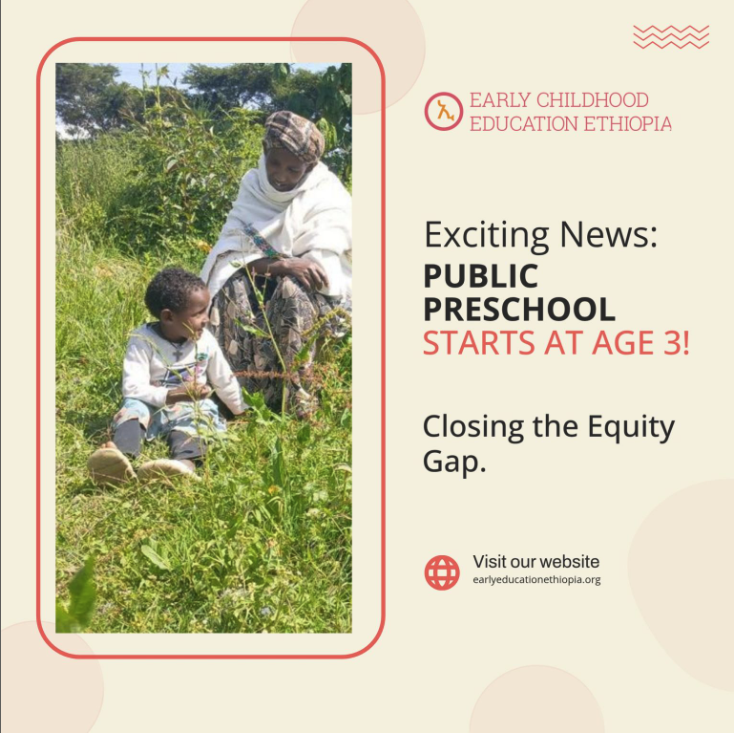
Early Childhood Education Ethiopia is the first organization to begin preschool at age three.
This moment marks a critical step toward equitable early learning access for all children, not just those in urban or private programs.
By starting at age three, we are bridging the equity gap between public and private preschool access, aligning national goals with global early learning frameworks that emphasize inclusive, play-based education from the earliest years. ECEE’s age expansion underscores our belief that equity begins early, when every child, regardless of where they are born, can enter a nurturing and developmentally appropriate preschool environment.
Agri-Curriculum
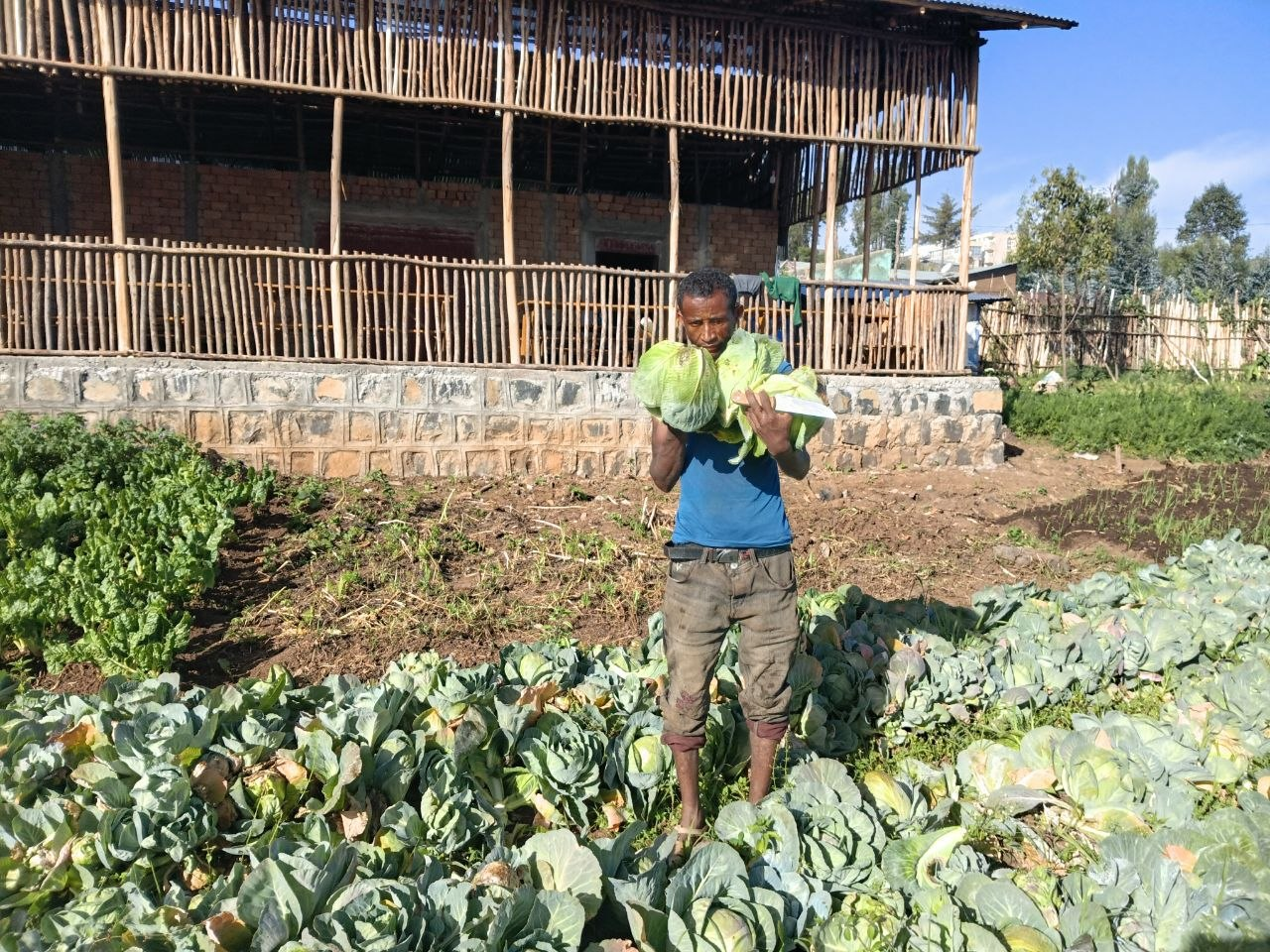
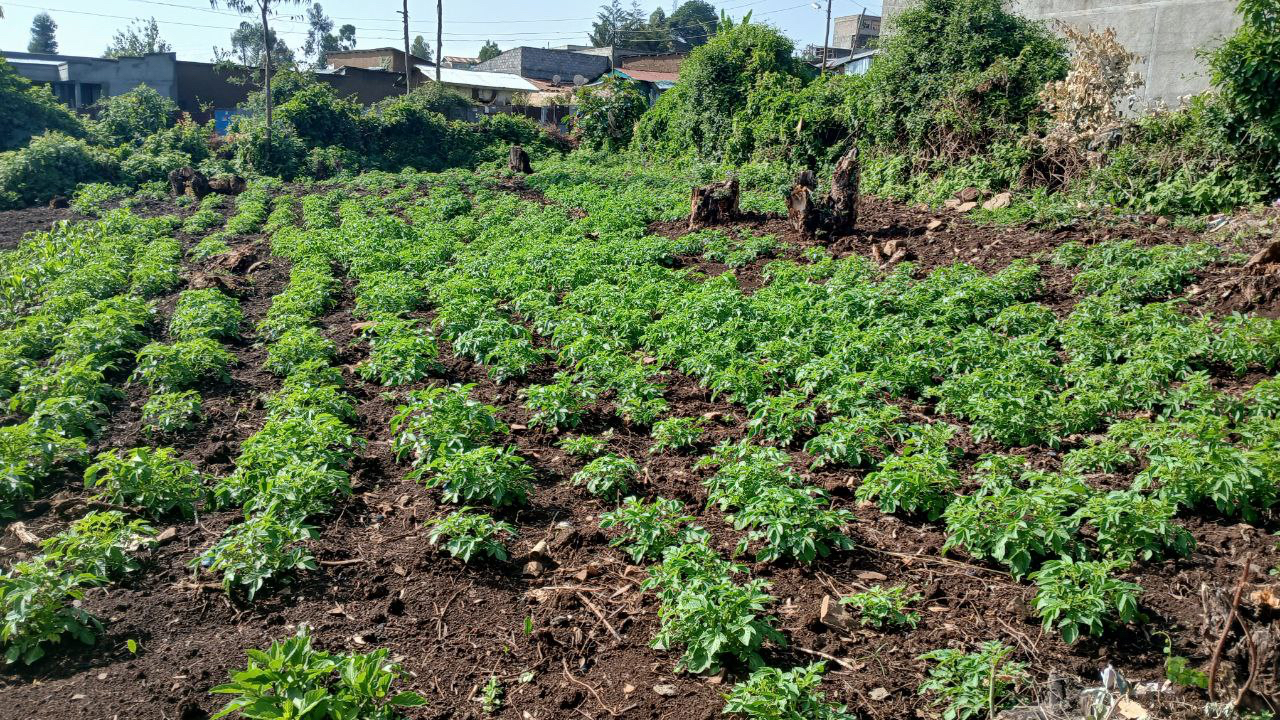
At ECEE, we believe that cultivating a deep understanding of where food comes from and the responsibility of caring for the land should start early. That’s why we are advocating for the integration of agricultural education into early childhood curricula. Agricultural learning connects children to their local environment, promotes healthy eating habits, supports emotional well-being, and encourages curiosity through hands-on, play-based experiences.
SATO Lixil
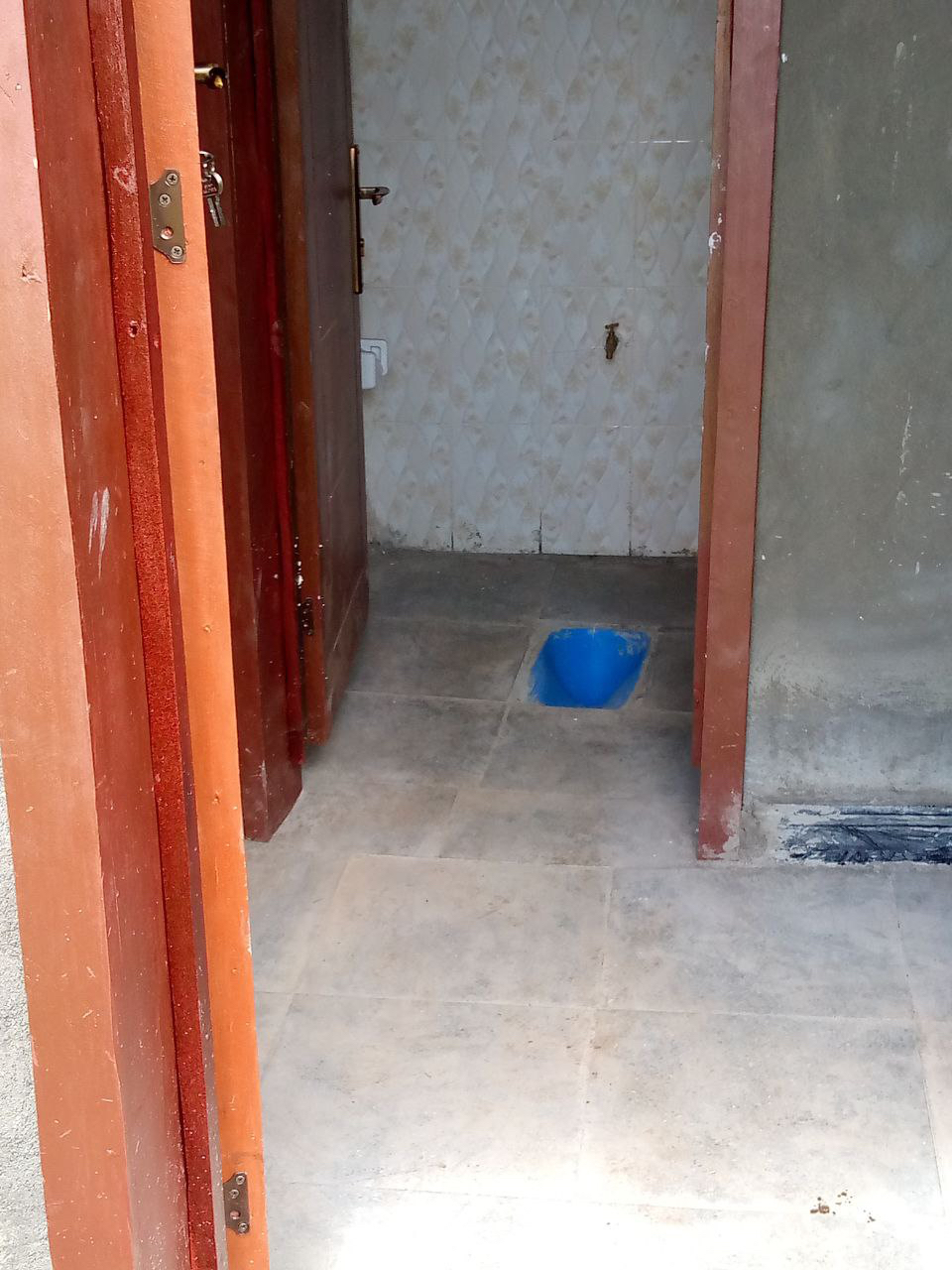
As part of our commitment to innovation and sustainable infrastructure, Early Childhood Education Ethiopia is proud to pilot SATO LIXIL’s one-trap toilet system at our community preschool. This groundbreaking sanitation solution, generously donated by SATO, offers an affordable, hygienic, and water-efficient alternative for rural settings. Designed to minimize odor and prevent the spread of disease, the one-trap system aligns with ECEE’s goal of creating healthy, dignified learning environments for young children.
Following the success of the pilot at ECEE’s community preschool, SATO LIXIL plans to make this innovative solution available to broader African communities. This collaboration marks a powerful step forward in addressing sanitation challenges through smart, scalable design, paving the way for healthier futures for children and families across the continent.