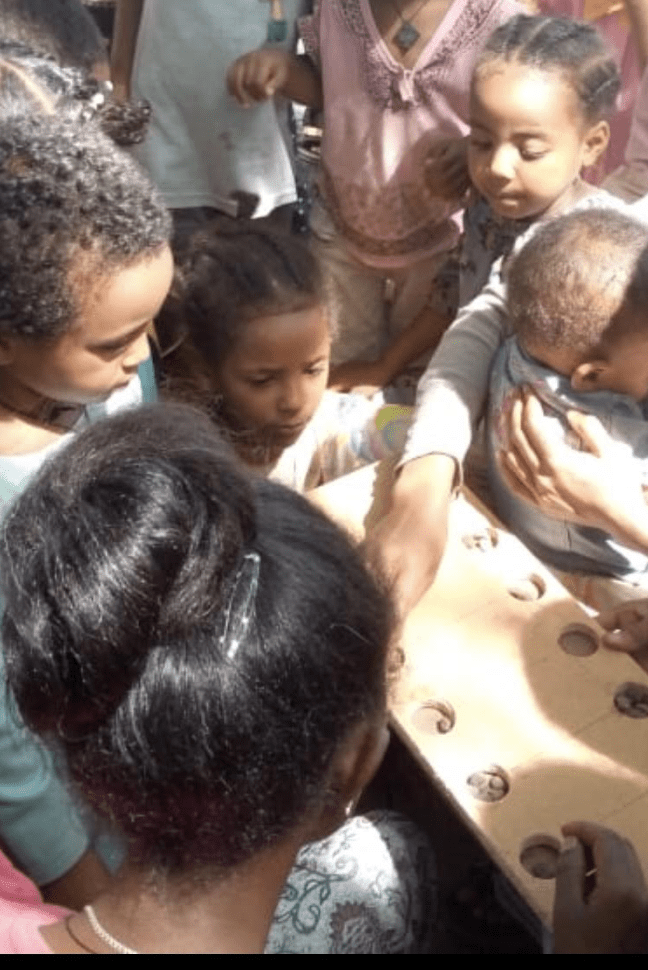
Teachers at Shimbit Preschool Program (KG) Playing with Gebeta
Gebeta for Beginning Math
Gebeta is referred to as one of the oldest board games in the world. This pastime favorite was once played in all corners of Ethiopia and enjoyed by all ages because of its simplicity, accessibility, and dynamic nature to change the momentum away from the lead simply by where a pebble lands. But Gebeta has other benefits for children. Gebeta teaches children how to count, wait for their turn, and apply hand-eye coordination, an important life skill for writing, painting, eating and most everything else in later life. During Gebeta play children learn number sequence, forecast future landing spots, and engage in procedural thinking, including managing their emotions in the outcome they lose the game. Gebeta is also culturally relevant to who the child is and enables her or him to find many pathways of understanding what Gebea is and means through his/her parents, and community members while promoting connection to the larger societal wealth that comes with using one’s own resources.
Building on Children’s Interest
Curiosity leads to engaged learning. When children find materials they can access and easily conceptualize, they draw from their existing knowledge to integrate more complex and higher-level thinking. Gebeta gives children early learning math skills which leads to questions about engineering like, how does the pebble fit in the groove, why does the sound change as each pebble is dropped, and why are there only 12 holes? The answer is found in Ethiopia’s history, innovation, and all from playing one of the oldest board games.
Indigenous Knowledge
Indigenous early education starts with using indigenous materials. Children are curious when teachers show interest and engagement like those at the Shimbit KG program in Bahir Dar, Ethiopia. When teachers are invested in what children are learning, how they are learning, and find ways to make it more meaningful for the child, education becomes attainable allowing children to translate experience into knowledge that benefits the child first and foremost. Teachers are including Gebeta for many reasons but primarily to teach through play. To provide children with early conceptual skills related to counting, sorting, organizing, and again through playing.
“ I was reluctant to do lesson plans, I felt it was so burdensome because we were never trained or supported on the process, but now I am excited and not afraid to do it” Kenubish Jenberu (March 2022). Kenubish represents a large number of early education professionals with years of experience in the preschool classroom that is unmatched, profoundly instructive and an asset to the learning environment. Kenubish uses songs, repetitions, and deep care for who children are to teach her students. Children learn best when first and foremost, the teacher is fully invested in who they are and uses their background knowledge to build their heart before expanding the mind.
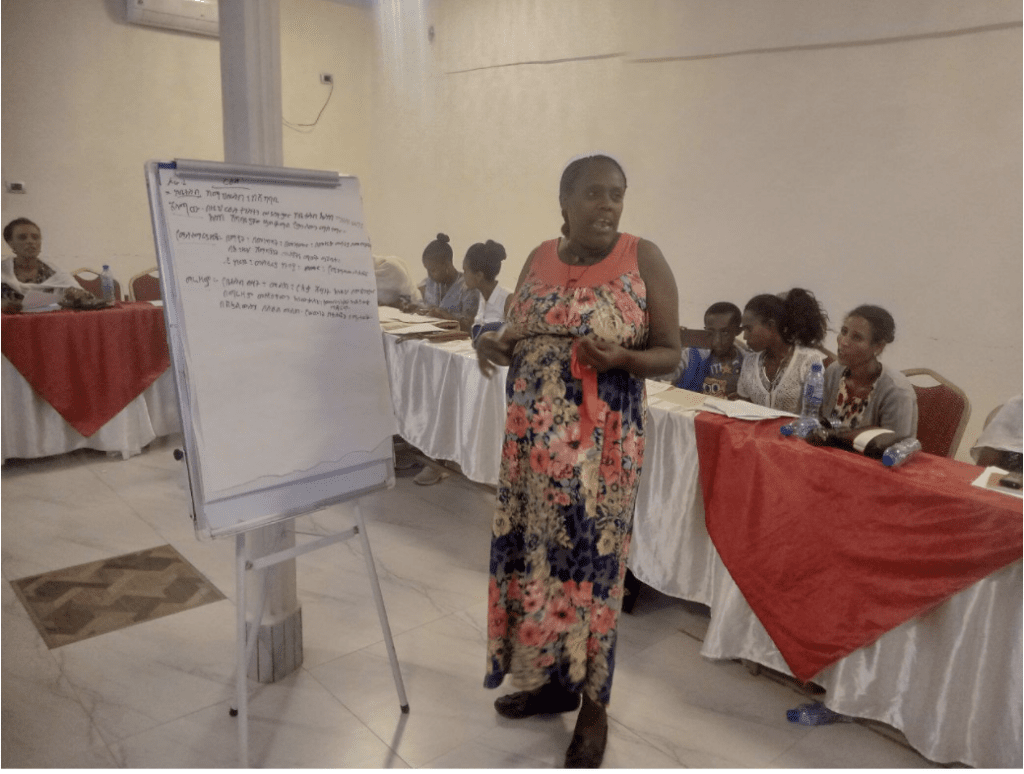
Kenubish is one of the KG1 or preschool teachers at Shimbit Elementary School in Bahir Dar, Ethiopia, where Early Childhood Education Ethiopia launched its first phase, project alpha. The true mark of a teacher is their willingness to always learn, that a classroom is a place where knowledge freely flows from child to teacher and teacher to child. During the third session of training where there was a practical lesson planning exercise and group work provided by ECEE, Kenubish presented her lesson plan, fully informed by the environment, children’s interests, and her strength as a teacher. We can only improve children’s early education when we also invest in the knowledge-base of teachers. We look forward to learning from teachers like kenubish, while we provide training and professional development.
Strengthening the Teacher’s Role
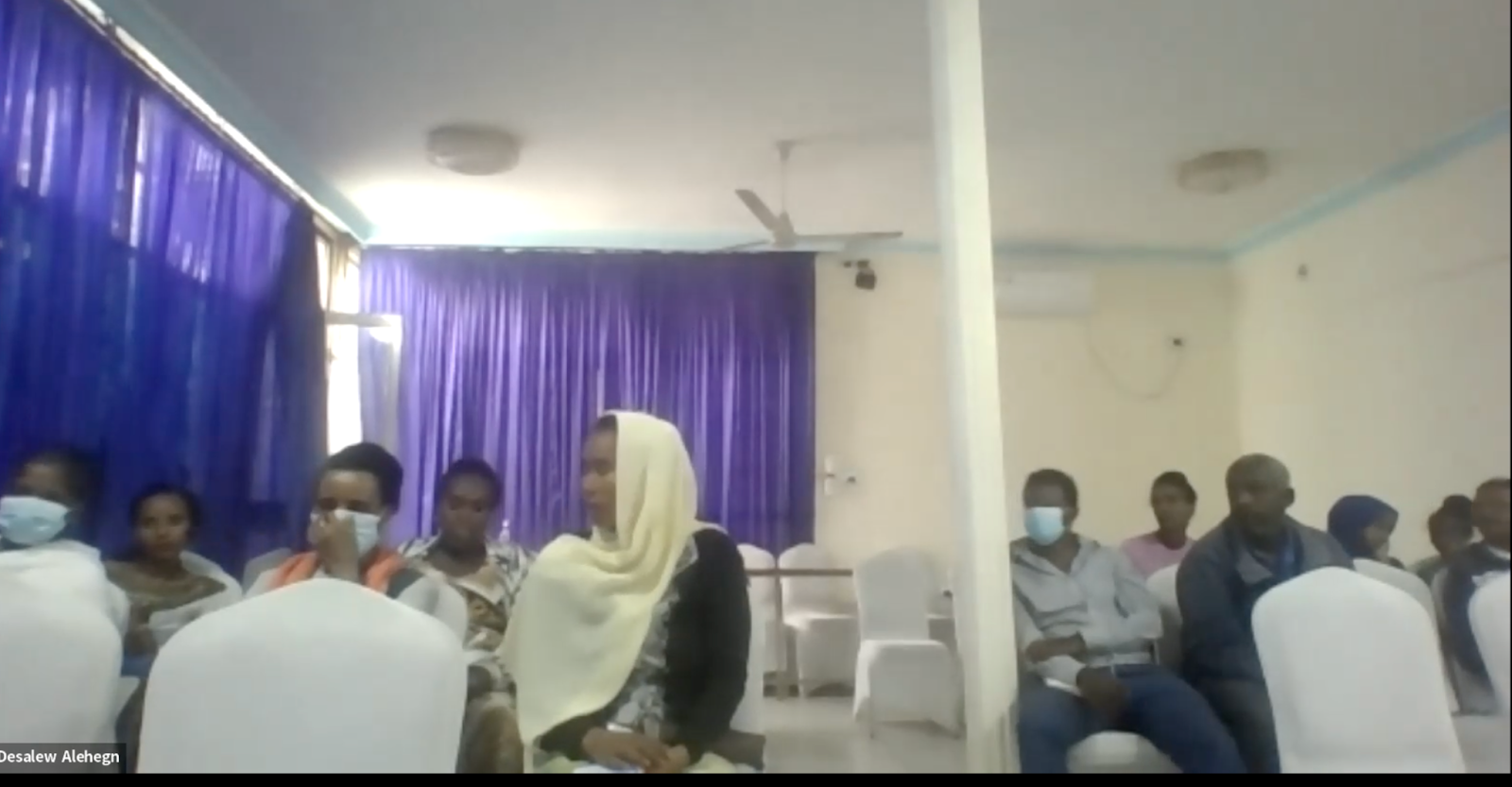
At the beginning of the year, Early Childhood Education Ethiopia began providing training on various topics and subjects. Our continued focus and commitment to Shimbit Elementary School KG program provided the platform for collaborative lesson planning training with teachers. Our discussion started by engaging all stakeholders which included teachers, school administrators, trainers, support staff, area district supervisors, and representatives from the local education bureau. The candid conversation on the challenges related to resources, compensation, gaps in training, education opportunities, private vs public early education center, o-class, absence of teaching manuals, the readiness-focused curriculum designed for output rather comprehension was informative on many levels.
Starting with the existing methods employed by the program to advise lesson plans, we discussed ways to enhance the learning. Central to lesson planning is understanding children’s interests, likes, and wants through observation. Teachers were able to use their outside learning environment, critically reflect on the current methods of lesson planning and integrate the strategies introduced by ECEE on how to design lesson plans that are child-focused and begin with what is around them.
Building on Existing Asset
Teachers bring to the classroom a wealth of knowledge most of it gained from experience. Training approaches that are built leveraging this knowledge often yield a meaningful result. The KG teachers at Shimbit Elementary school, are now employing a variety of modalities to deliver lessons. We encouraged teachers to observe as much as possible, apply what was assigned to them, and implement the Early Childhood Education Ethiopia lesson planning methods, they brainstormed, embraced, shared with peers and they look forward to learning more.
Play is learning for children, it is how they get to know their world. Children use play to solve complex problems like grasping a ball escaping from their hands or displaying joy after an accomplishment and frustration when required to try again and again. Children make noises and the environment responds gleefully, this simple back and forth from loved ones, serves as the foundation for early literacy, self-regulation, hand-eye coordination providing the groundwork for communication, forming friendships, and a deeper understanding that as they grow, their knowledge of the world through playful experiences also grows.
Play helps children find meaning in a world that is getting more and more unpredictable. From COVID to war and disasters, children are often left to wonder why their surrounding has failed to protect them. Through play, children can find places for experiences they may have a hard time fully comprehending. When children play, their imagination safely explores areas that may be difficult to talk about. Children engage in what Lev Vygotsky referred to as inner speech where they self-talk, assessing what has occurred, what they are engaged in, and possible solutions.
This allows children to release pensive thoughts, and map out strategies on how to use play for both fun and problem-solving skills. Developmentally speaking, play goes through different stages; starting with unoccupied/solitary play during infancy where we see babies putting their hands in and out of their mouth, fully engaged in coordination, sensation, and movement. During toddlerhood, children quickly move into the onlooker stage of play where they realize other people like them play as well. And they find it increasingly entertaining to see peers playing, from a safe distance. As children enter the preschool years, they transition from the parallel stage of play to associative, where it is more interactive with others. As children become more independent and can articulate their needs, play with peers becomes more common and successfully charged. Free and busy play allows the mind and body to use the environment in a way that responds to children’s ideas and wants. Too much direction from adults compromises play, encouragement, adding to play sequences, and promoting child-directed activities helps children reach higher levels of cognitive, social-emotional, and linguistic abilities as experience is the driver of development.
Play is the most complete curriculum when implemented as the primary focus for teaching and learning. The education paradigm in early learning programs should move away from outcome-based to process-oriented whereby it allows children to simply play and play more. Children are not made to sit and learn, movement is how they acquire knowledge. Children learn best using their five senses, in a responsive setting, where teachers/caregivers are more invested in their interests, desires, and abilities. When the environment is developmentally appropriate and culturally relevant, children exponentially advance their understanding of the foundations necessary to acquire advanced concepts in math, science, social studies, and much more.
Play is learning and learning should be play-filled in early childhood education programs now more than ever.
Adversity occurs in childhood through many ways. It can range from war, loss of a family member, abuse, neglect, resource scarcity to name a few. For many children, these unwanted experiences create barriers causing severe developmental disruption which later translate into a list of health concerns. Currently, children in Ethiopia continue to experience trauma from war, displacement, and acts of violence that are difficult for them to understand. Such trauma leaves children with fear, distrust, and anxiousness beyond their control. This affects children behavior, disposition and can augment their developmental trajectory negatively.
The assaultive nature of trauma can be detrimental to the developing brain but we also know employing strategies found in Trauma-Informed Care can influence, restructure and help children process these undesirable, even damaging episodes, to be more manageable; assisting the young mind in creating pathways that informs rather than compromising it permanently. By intervening early and applying therapeutic measures consistently, we can reduce the devastation on children’s developmental outcomes. Using strategies found in Trauma-Informed Care has shown to have both immediate and long-term positive results.
Applying developmentally appropriate strategies that are respectful in approach and culturally relevant to the child’s norm, practitioners, parents, caregivers, and teachers can help children open up, discuss and express their feelings. Using a medium such as play, art, and other activities that are comfortable to the children, the path towards recovery can begin. The brain is most sensitive, highly malleable before age 5, and even more adaptable during infancy and toddlerhood (before age 3). Our knowledge of trauma-informed care practices should be included in discussions about rehabilitation, emergency support, and relocation of those affected by the current war, COVID, public health crisis or other ongoing challenges in the context of Ethiopia. For those under extreme and ongoing stress, preparing professionals on how to create responsive caregiving practices using the frameworks provided in TIC in conjunction with our cultural norms will help children and families develop skills to mitigate and absolve some of the trauma incurred abruptly or due to persistent inequities.
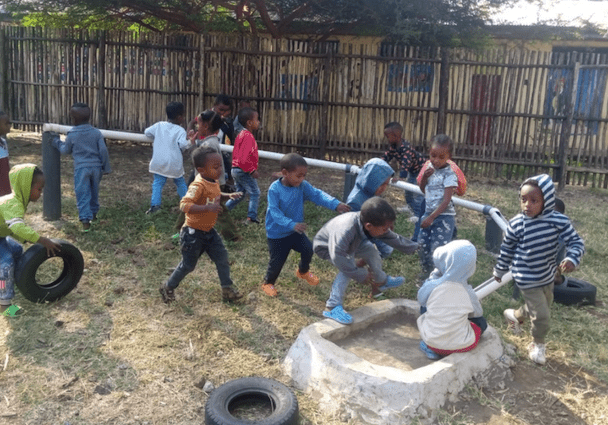
Part of Early Childhood Education Ethiopia’s mission and vision is to improve existing pre-primary learning environments. With Project Alpha, we will lay the foundation on how to implement progressive and generational long lasting early learning environments. In phase one, we will start the process of studying, renovating, and improving two programs. One located in the city of Addis Ababa, and the other, outside Bahir Dar, representing the rural site. Over the next several months, we will be looking into environments, pedagogical approaches, children’s learning patterns, and comprehensively assess the progress of these two early education sites.. We know parents are our partners in children’s education, and know their participation plays an influential role in all areas of children’s development and educational outcome. As such, we will develop and strengthen our interaction, communication and encourage involvement in all aspects and at every step of the way. The picture above represents thegateway to the future. Children grow and develop using both nature, passed down from their parents, and nurture what they receive from the environment. The environment matters greatly in shaping how children learn, think and understand the world. The first five years is critical partly because the brain is actively involved with what the child sees, touches, tastes, recording and interpreting this information into knowledge. We want to ensure we provide children with meaningful experiences, to equip them with a wide range of tools to use for the rest of their lives. Therefore, a major part of Early Childhood Education Ethiopia will be paying close attention to the environment children come from and enter to learn and play.
Changing the Early Learning LandscapeChanging the Early Learning Landscape
Early Education’s effectiveness is often examined from a kindergarten readiness standpoint. But the years and grades (toddlers-pre-k) or (KG 1-3) defined in pre-primary education requires contextual attention. What children begin to understand at 2 years of age, can be built on at age 4 with more rigor, expanding on existing knowledge and challenging the growing mind. In addition, while learning happens both inside and outside the classroom, we know the outdoors provides the optimal space for the imagination to grow and develop.
Updates from Early Childhood Education Ethiopia
Fundraiser: In December, we participated in the GivingTuesday campaign, securing approximately 13K donations. We are filled with gratitude for the support, encouragement and kindness everyone continues to show our organization. The board fully understands the challenges and uncertainties, we are, which makes the current contribution that much more meaningful as it highlights the gentleness that still exists in this world. Your donation will directly go to Project Alpha supporting the schools mentioned above. As we progress with this phase, we will be updating you with news through future newsletters and on our social media platforms.
February Symposium: We are currently working on finalizing a collaborative online seminar focused on bringing attention to children’s education, care and policy in Ethiopia. The future begins with what we do with children today. This seminar aims to bring awareness on current policies and practices, ways to invest in children and how using unifying agendas are important to the direction of early childhood education and Ethiopia.
Volunteerism, Partnership and Collaboration: Since inception, ECEE has received numerous requests for collaboration, volunteerism and partnership. As a young organization with a broad vision and mission, we know our partnership with agencies, institutions and individuals are important as we move forward. We have started a database and currently taking in information from all individuals and organizations seeking partnership. Please note if you have contacted us in the past, you have been added to our list. New inquiries, please visit our site for further information.
We thank you for your continued support!uncertainties, we

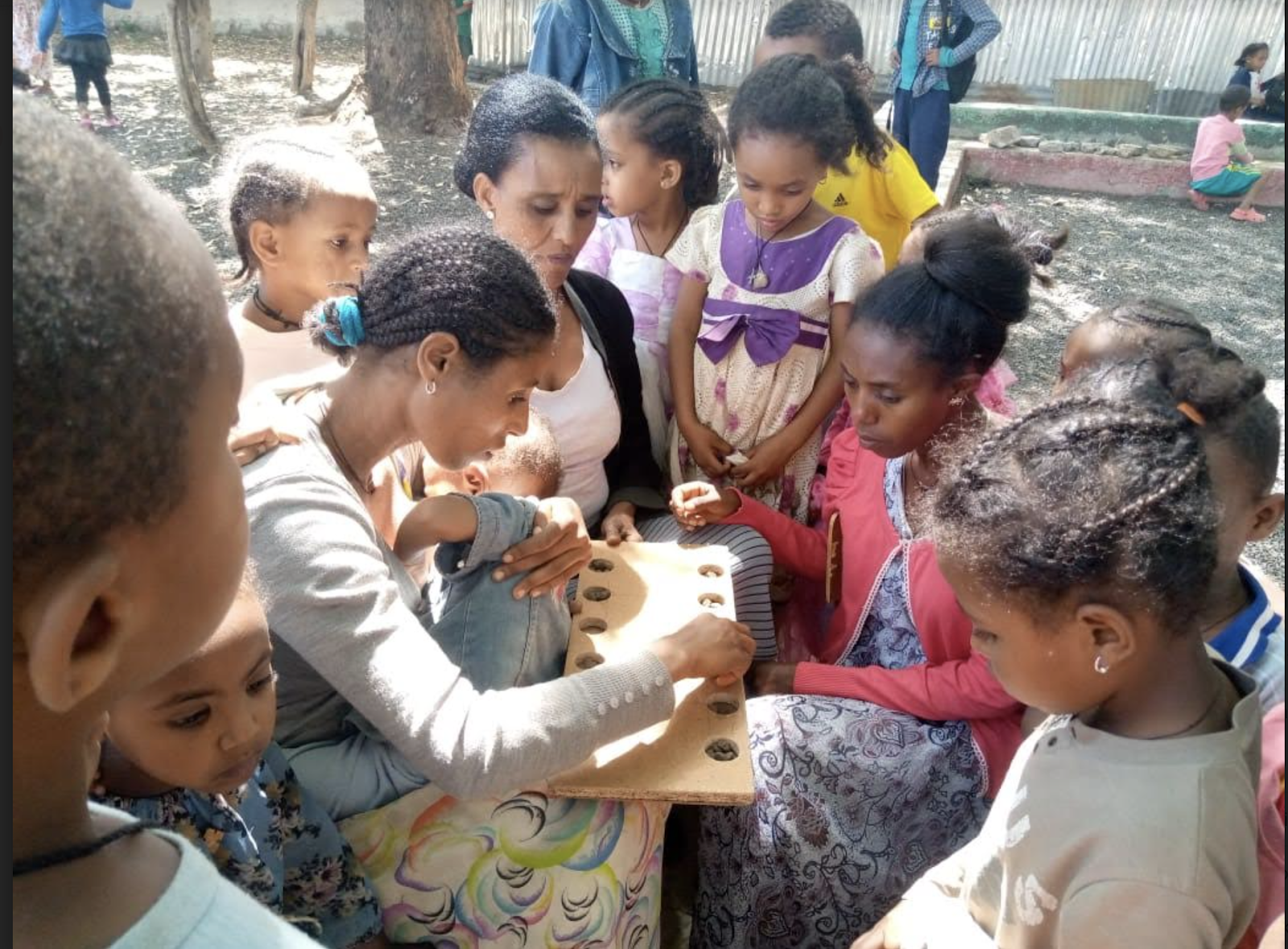 Teachers at Shimbit Preschool Program (KG) Playing with Gebeta